
Wellness Guide: Education on Botanical Extracts
Welcome to the Ekstrak Alami Wellness Guide, an educational resource dedicated to the history, characteristics, and traditional uses of various botanical extracts. We believe that an informed consumer is an empowered one. This guide provides general information based on historical records and botanical research, serving as a starting point for those who wish to deepen their understanding of the natural world.
The Heritage of Botanical Use in Indonesia
Origin: Nusantara Archipelago
Focus: Traditional Jamu Traditions
Indonesia has a long and storied relationship with the plant kingdom. For centuries, the people of the archipelago have utilized local flora for everything from daily vitality to traditional ceremonies. This deep-rooted botanical history explores the origins of "Jamu" and how traditional knowledge has been passed down through generations.
Understanding this heritage provides essential context for why certain plants remain staples in Indonesian wellness today. Our guide explores these ancient roots, bridging the gap between historical preparation methods and modern botanical extraction techniques, ensuring that the essence of these traditions is preserved in every drop.
Daily Vitality
Traditional preparations were often integrated into the morning routine, serving as a natural foundation for a balanced lifestyle across the islands.
Artisanal Wisdom
Knowledge of specific harvest times and extraction media was historically kept within family lineages, a testament to the precision of early botanical study.
Understanding Curcuma and Ginger Varieties
More Than Just a Spice
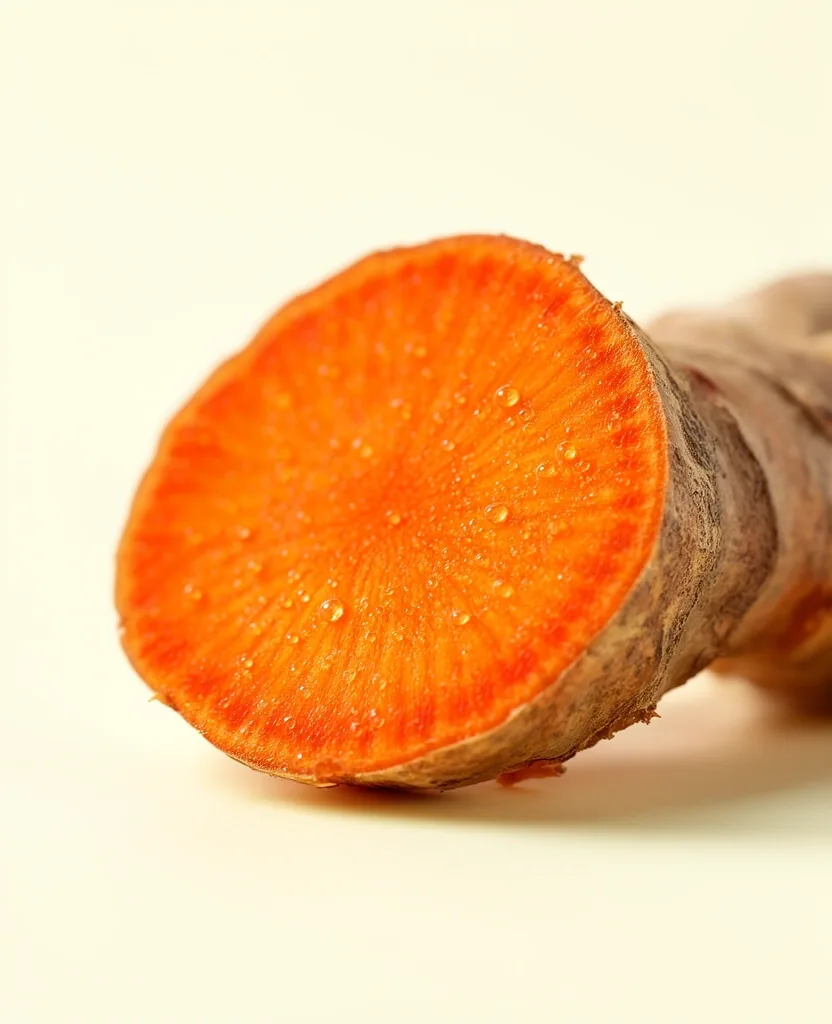
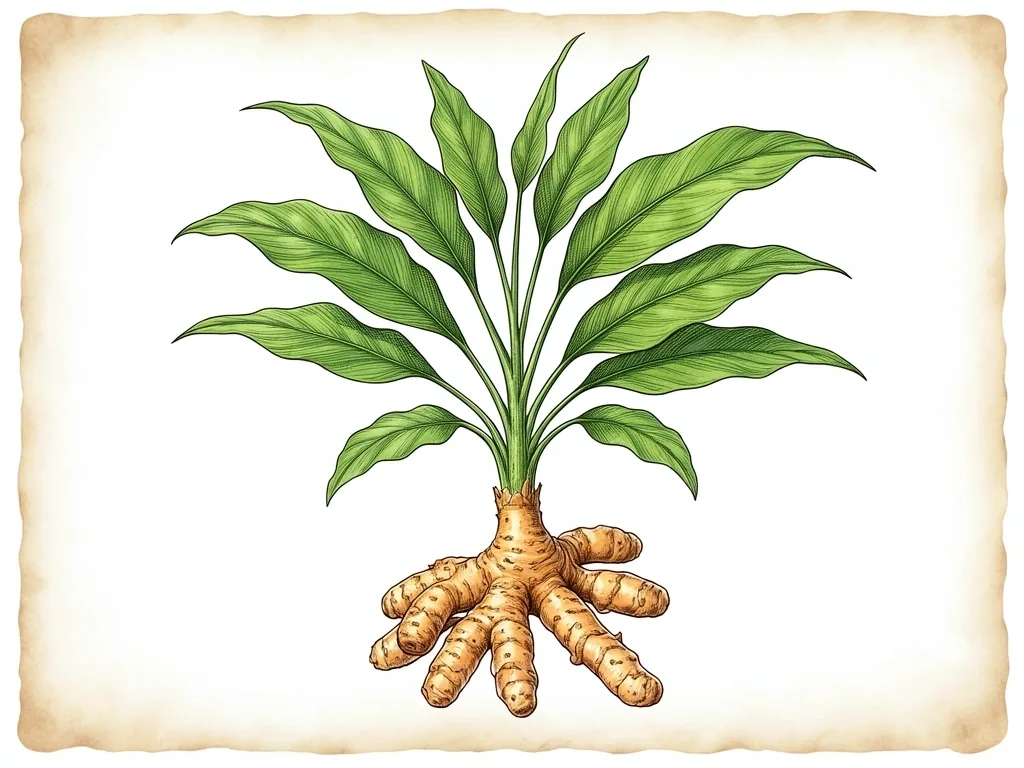
Curcuma, particularly Turmeric and Temulawak, is perhaps the most famous of Indonesia's botanical exports. Beyond its culinary uses, Curcuma has a rich history as a wellness botanical. We delve into the different varieties found in the region, explaining their unique characteristics and the traditional ways they have been prepared. Learn why these golden roots are considered the backbone of many natural routines.
- Primary Compound Curcuminoids
- Traditional Use Daily Infusion
The Vitality of Zingiber
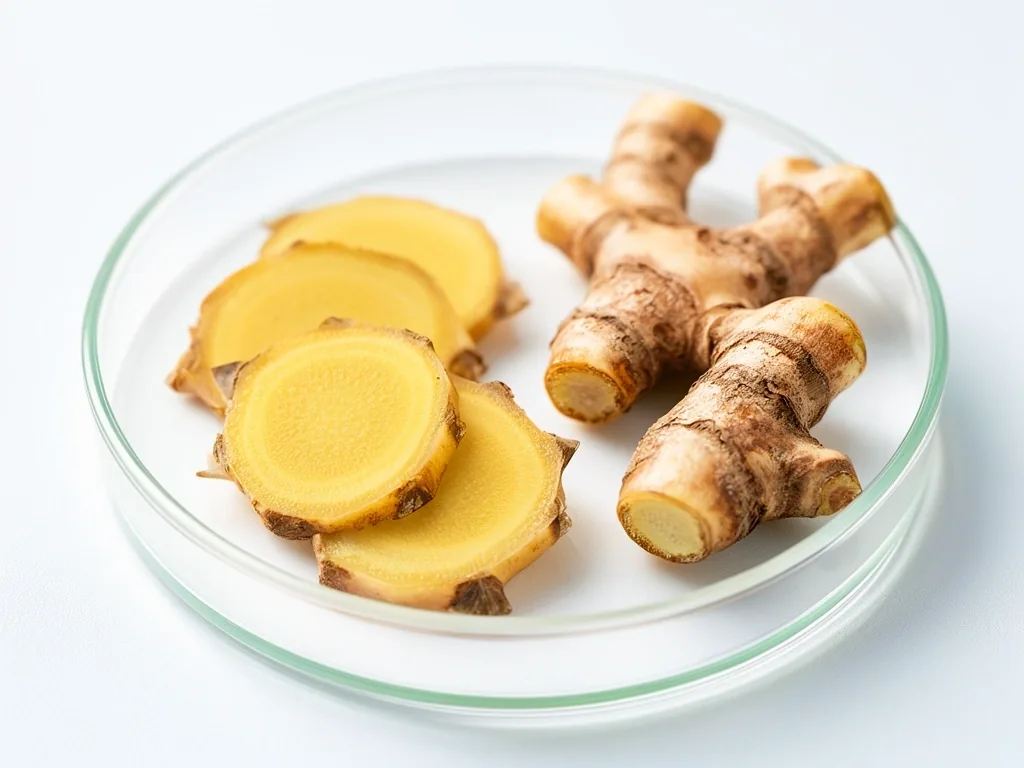
Ginger (Zingiber officinale) and its cousins like Galangal are prized for their warming properties and sharp, refreshing aroma. This guide explains the different forms of extracts and how they have been used historically across various cultures. We highlight their distinct profiles and why they are often found together in traditional botanical preparations to create synergistic balance.
- Primary Compound Gingerols / Shogaols
- Traditional Use Warming Elixir
The Resilient Tree of the Tropics
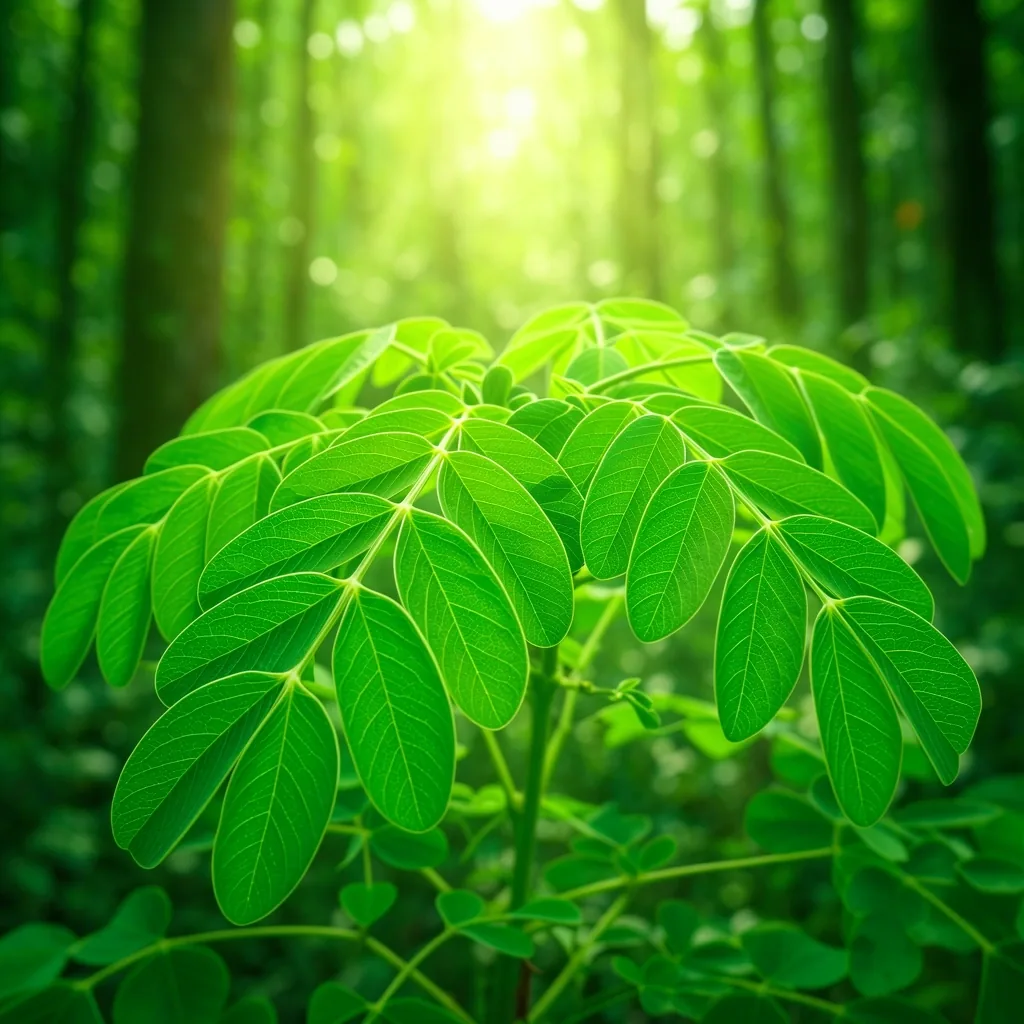
Moringa oleifera has gained global recognition, but it has been a part of the Indonesian landscape for generations. This section focuses on the nutritional profile of Moringa leaves and why they are such a valuable addition to a plant-based lifestyle.
Identification
Learn to identify high-quality, vibrant green extracts versus inferior, oxidized products which lose their botanical integrity.
Application
Discover the traditional methods of preparing Moringa powder for maximum bioavailability and flavor profile preservation.
Daily Routine
Simple ideas for integrating extracts into your morning coffee or creating custom infusions without specialized equipment.
Read TipsPreservation
Why light, heat, and moisture affect natural products and how to keep your extracts fresh and potent at home.
Storage GuideTerminology
Breaking down technical definitions like tinctures, powders, and concentrates to help you make informed choices.
View GlossaryFuture Trends
How traditional Indonesian plants are being rediscovered by a global audience seeking plant-based lifestyle support.
Our VisionStorage and Preservation Tips
To get the most out of your botanical extracts, you need to know how to store them properly. This ensures that your investment is protected and you enjoy the full properties of the plant.
01 / Light Protection
Ultraviolet light can degrade the organic compounds in extracts. Always store in amber glass or opaque containers away from direct windows.
02 / Temperature Control
Heat accelerates chemical breakdown. A cool, pantry-style environment (15-25°C) is ideal for maintaining the aromatic and botanical profile.
03 / Moisture Barrier
Humidity can cause powders to clump and may lead to oxidation. Ensure lids are tightly sealed after every single use.
04 / Air Exposure
Oxygen is a primary factor in extract degradation. Minimize the time the container stays open to preserve freshness.
Navigating Botanical Terminology
Understanding these definitions is essential for comparing products and making choices that align with your personal goals.
A substance made by pulling out a specific part of a raw material, often using a solvent like water or ethanol to concentrate active components.
A liquid preparation where the botanical matter is soaked in a specific medium to dissolve its properties for easy consumption.
Dehydrated and finely ground botanical material, often standardized to contain a specific percentage of primary compounds.
A form of substance which has had the majority of its base component or solvent removed, resulting in a higher potency per volume.
An extract that is guaranteed to contain a specific, measurable amount of a marker compound for consistent application.
The degree and rate at which a botanical compound is absorbed and becomes active within the body's natural systems.